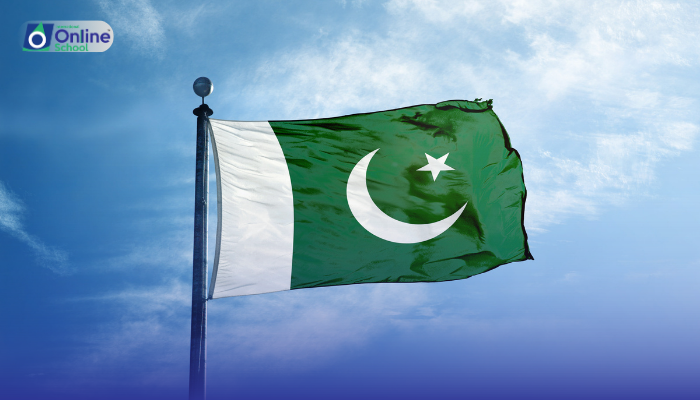
Democracy is a system of government based on the principles of popular sovereignty, political equality, and majority rule. In Pakistan, democracy has been a central feature of the political landscape since the country's independence in 1947, albeit with periods of military rule and political instability.
One of the key tenets of democracy in Pakistan is the principle of popular sovereignty, which holds that political power ultimately resides with the people. Through free and fair elections, Pakistani citizens have the opportunity to choose their representatives and hold them accountable for their actions. Moreover, democracy provides a mechanism for peaceful transfer of power, ensuring political stability and continuity.
Furthermore, democracy in Pakistan is characterized by political pluralism and freedom of expression. Despite challenges such as censorship and intimidation, Pakistan has a vibrant civil society, independent media, and active political parties that provide avenues for citizens to participate in the political process and express their views.
Moreover, democracy in Pakistan is essential for promoting social inclusion and equality. By ensuring equal rights and opportunities for all citizens, regardless of their background or beliefs, democracy fosters a sense of belonging and empowerment among marginalized groups. Moreover, democracy provides mechanisms for addressing grievances and promoting social justice.
In conclusion, democracy is a fundamental aspect of Pakistan's political identity, providing a framework for political participation, accountability, and social inclusion. While challenges remain, including issues such as corruption and weak institutions, democracy remains the best hope for advancing the interests and aspirations of the Pakistani people and building a more prosperous and inclusive society.
